
PRODUCT CATEGORIES
Organizing Technologies by How They Are Used
UVC technologies are most clearly understood when grouped by function and application rather than brand or marketing language. Product Categories exists to provide that structure — helping users navigate the landscape of UVC solutions based on how systems are designed to operate in real environments.
This page introduces the major categories used within the Marketplace and explains how each category fits into broader system design and sourcing decisions.
AIR
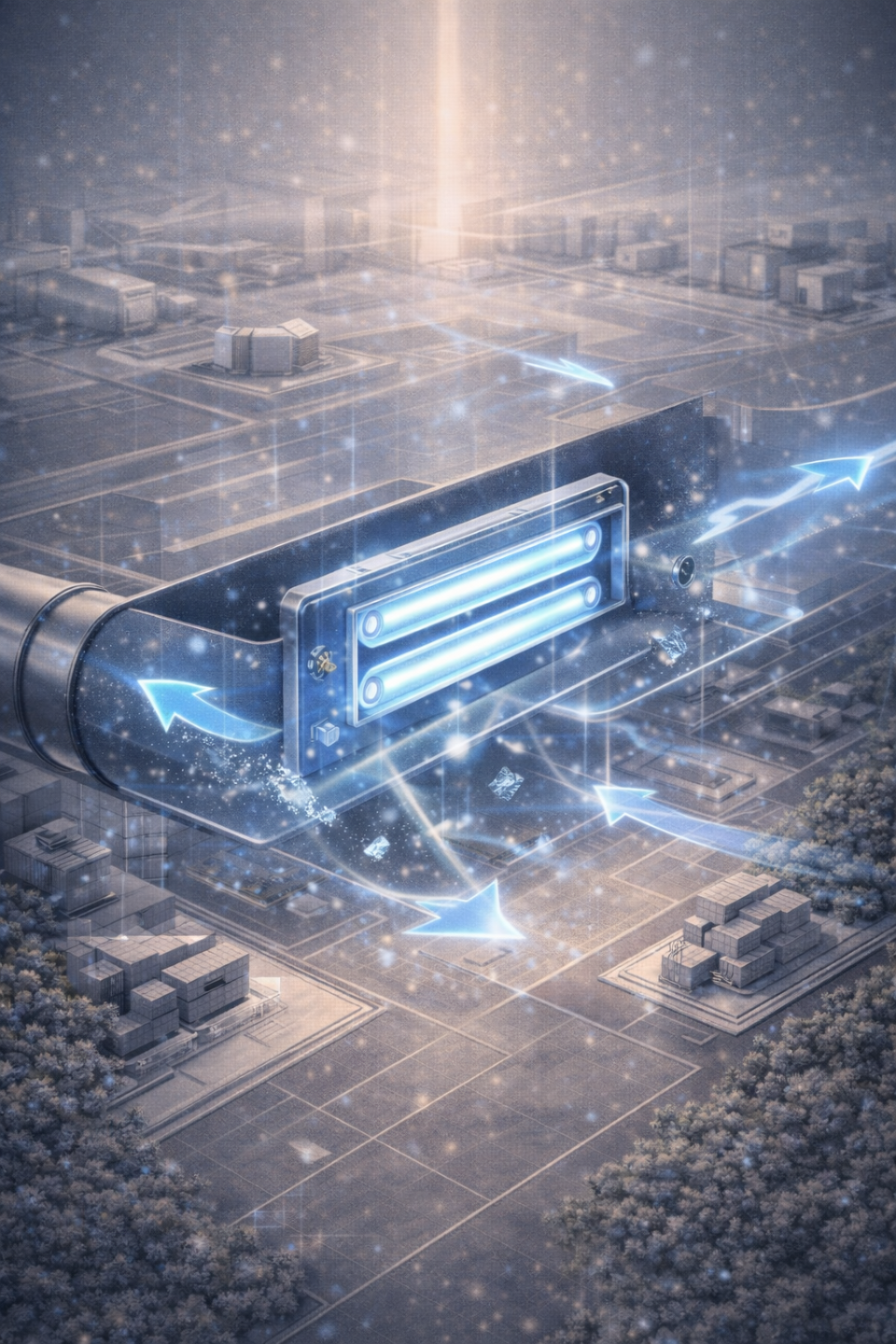
Air-focused UVC systems are designed to reduce microbial presence in moving air. These technologies are typically integrated into ventilation or air-handling systems, where exposure can be controlled and human contact avoided.
Air systems are commonly considered in environments where indoor air quality and airborne transmission are key concerns. System design, airflow patterns, and operational controls play a central role in effectiveness and safety.
SURFACE
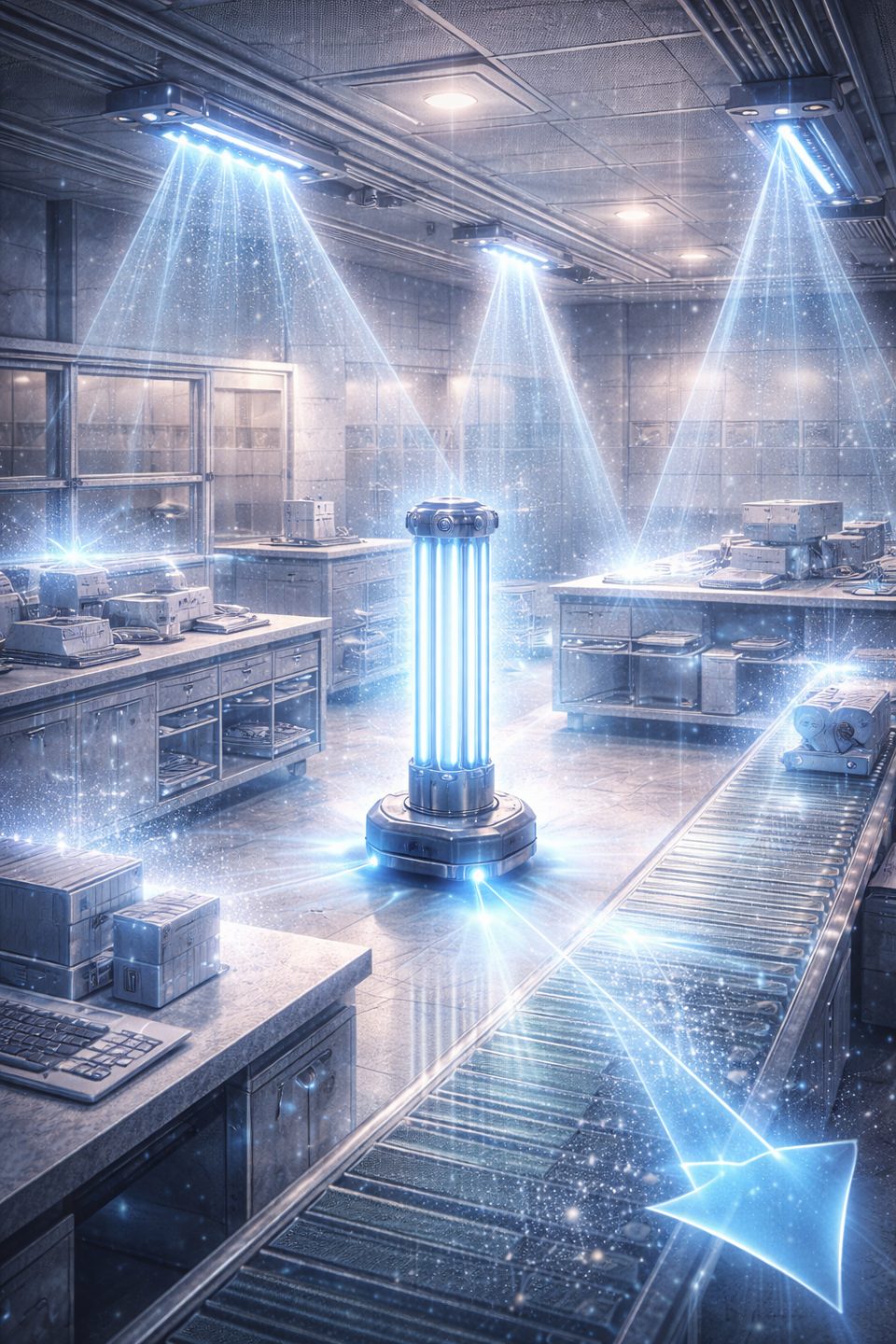
Surface-focused UVC technologies are intended to reduce microbial presence on exposed surfaces. These systems often operate during unoccupied periods or within controlled zones to prevent direct human exposure.
Effectiveness depends heavily on distance, angle, material type, and shadowing. Surface systems are generally used as supplementary measures alongside established cleaning and hygiene practices.
WATER
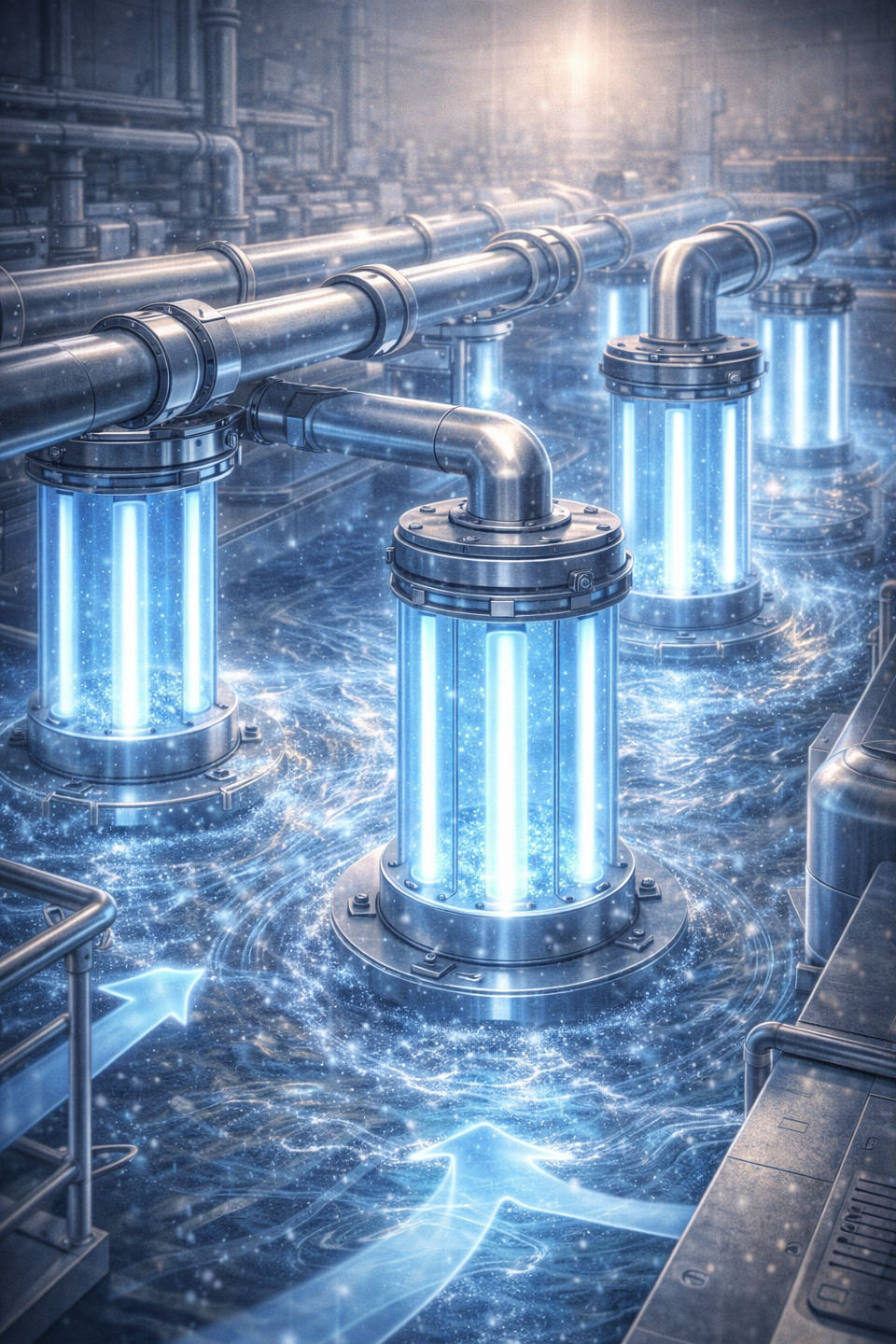
Water treatment systems use UVC within enclosed channels or chambers to reduce microbial contamination without chemical additives. This category represents one of the most established and standardized uses of UVC technology.
Water systems rely on predictable flow, controlled exposure, and regular validation. They are commonly used in municipal, industrial, and facility-level water treatment contexts.
ROBOTS
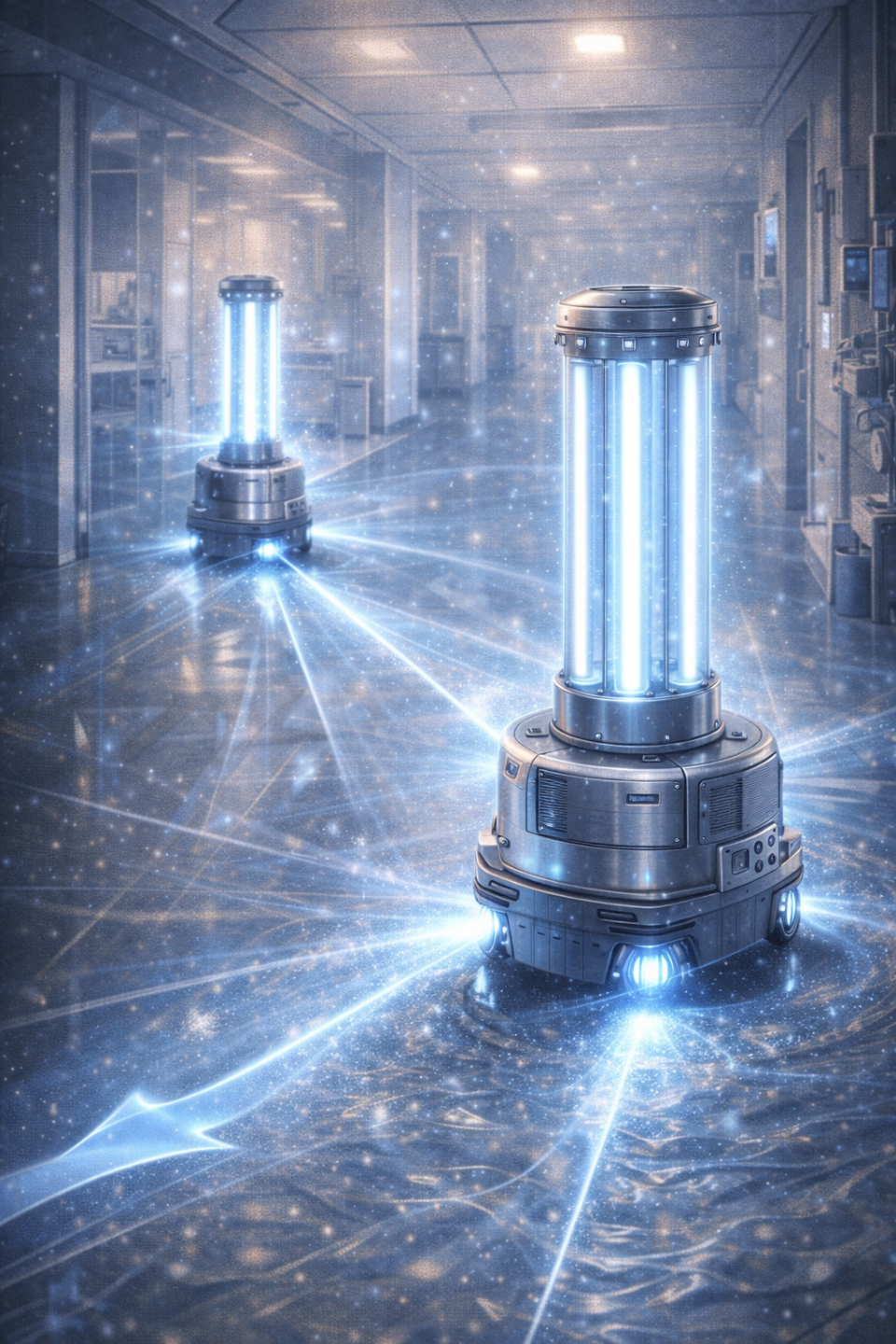
Robotic UVC systems are mobile platforms designed to deliver controlled exposure across large or complex spaces. These systems are typically used during unoccupied periods and require careful programming, supervision, and validation.
Robotics can increase coverage but also introduce complexity. Their effectiveness depends on navigation accuracy, operational discipline, and integration with safety controls.
INTEGRATED SYSTEMS
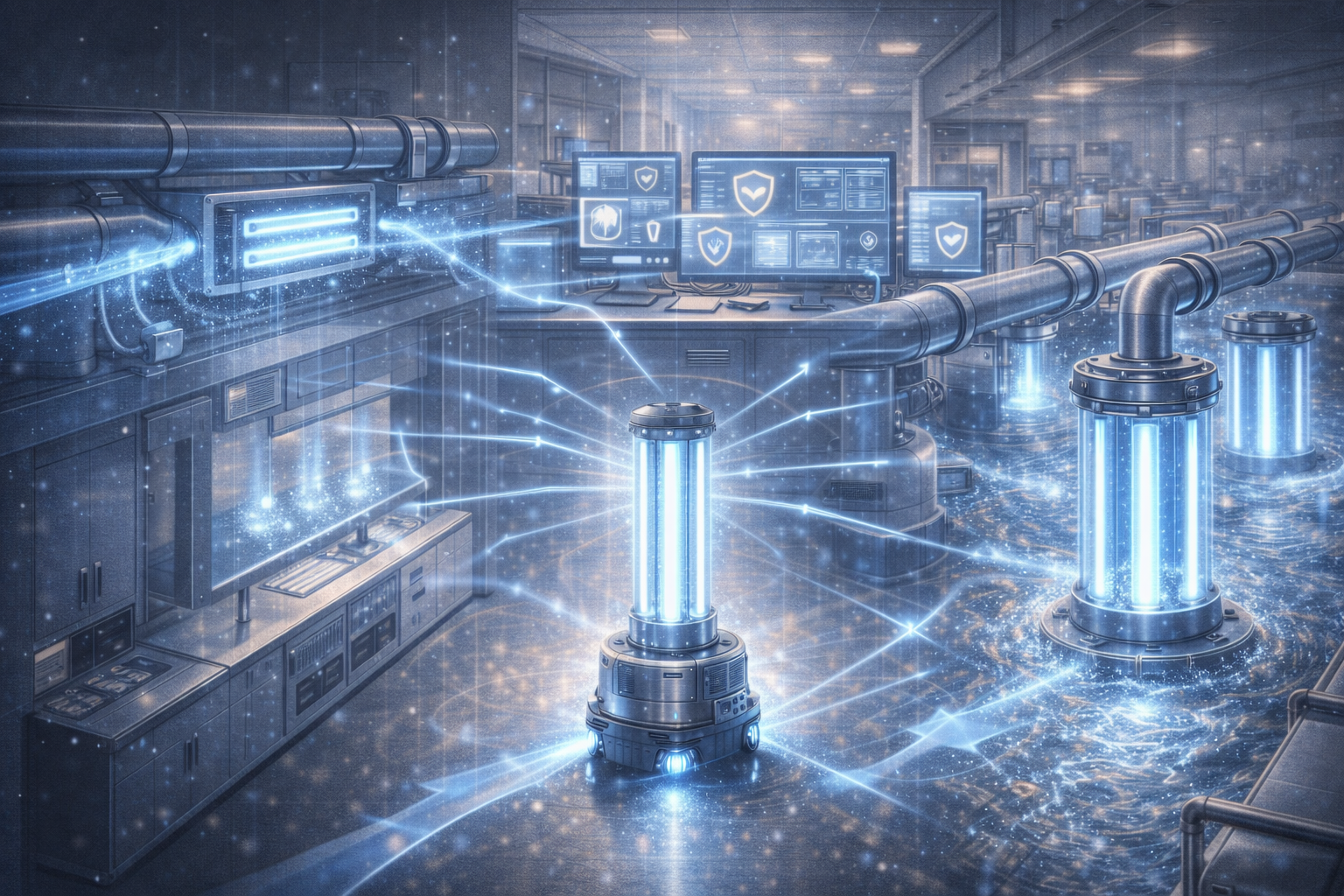
Integrated systems combine multiple UVC approaches, such as air treatment, surface disinfection, and control mechanisms, into a single coordinated solution. Instead of operating independently, these components are designed to work together as part of a broader infrastructure strategy.
Integration emphasizes system-level thinking, alignment with building operations, and centralized oversight. This approach helps ensure that UVC is applied consistently, safely, and in a way that can be managed and maintained over time across complex environments.
USING CATEGORIES TO GUIDE DECISIONS
Product categories are not rankings or recommendations.
They are a framework for understanding how different UVC technologies function and where they may be appropriate. Selecting a category begins with understanding the environment, occupancy, operational constraints, and safety requirements.
Product Categories exist to support clarity before comparison.
UVC Today — Product Categories
Function before features.
Context before choice.