Residential

Supporting Healthier Living Environments

Homes are continuously occupied spaces where comfort, safety, and everyday routines intersect. Residential environments often include families, children, and individuals with varying health sensitivities, making careful evaluation essential before introducing any technology.

In residential settings, UVC applications are approached with caution and clear safety awareness. Not every home environment requires UVC, and not every system is appropriate for spaces where people live and move throughout the day.

Responsible evaluation must come first, ensuring that any consideration of UVC aligns with safety guidance, realistic needs, and the conditions of the home environment.

The Residential Context

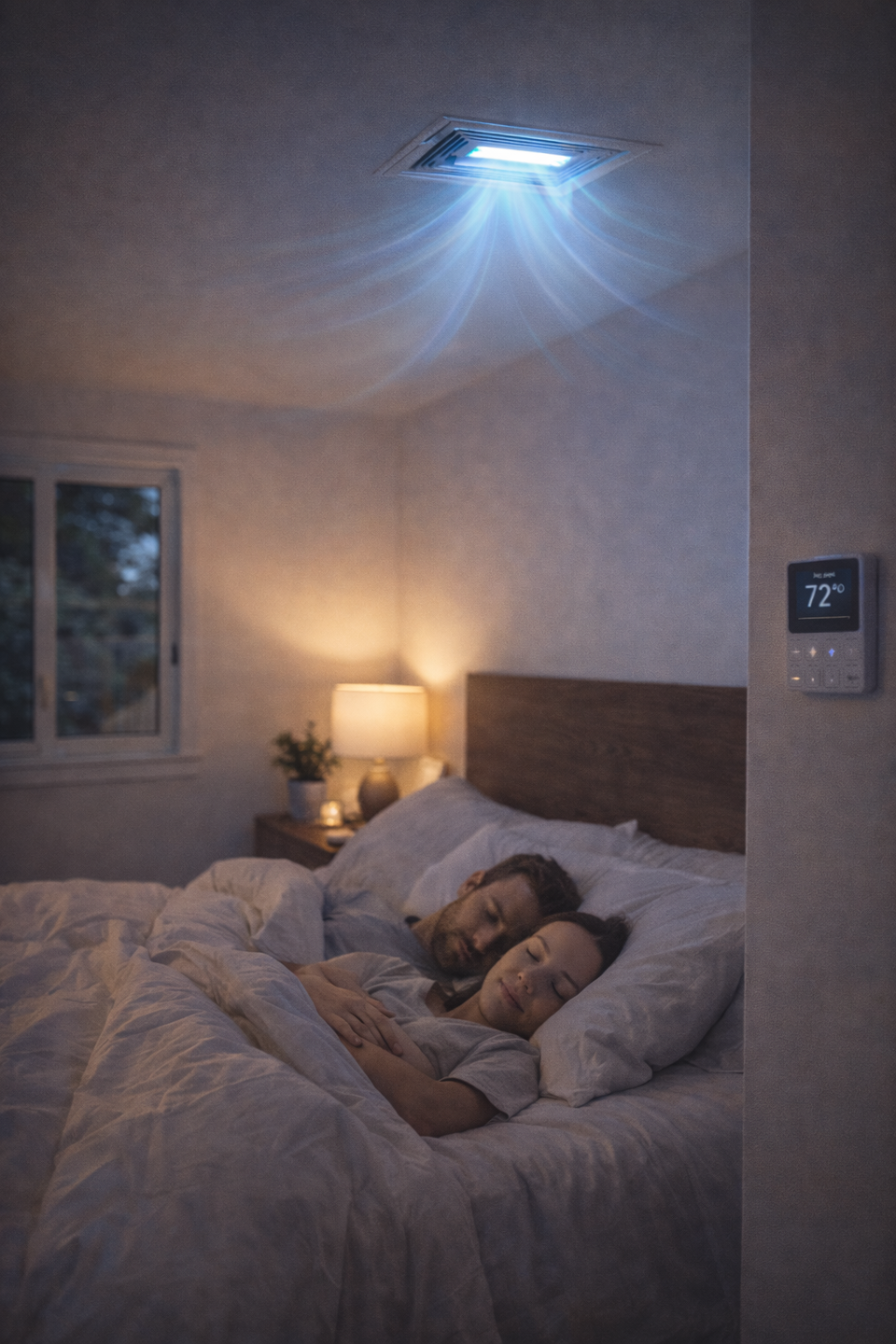
Residential environments differ significantly from commercial or institutional spaces. Homes are typically occupied for long periods, rooms are smaller, and occupants move freely throughout the environment, often without structured operational controls.

For this reason, any consideration of UVC in residential settings must carefully account for factors such as:
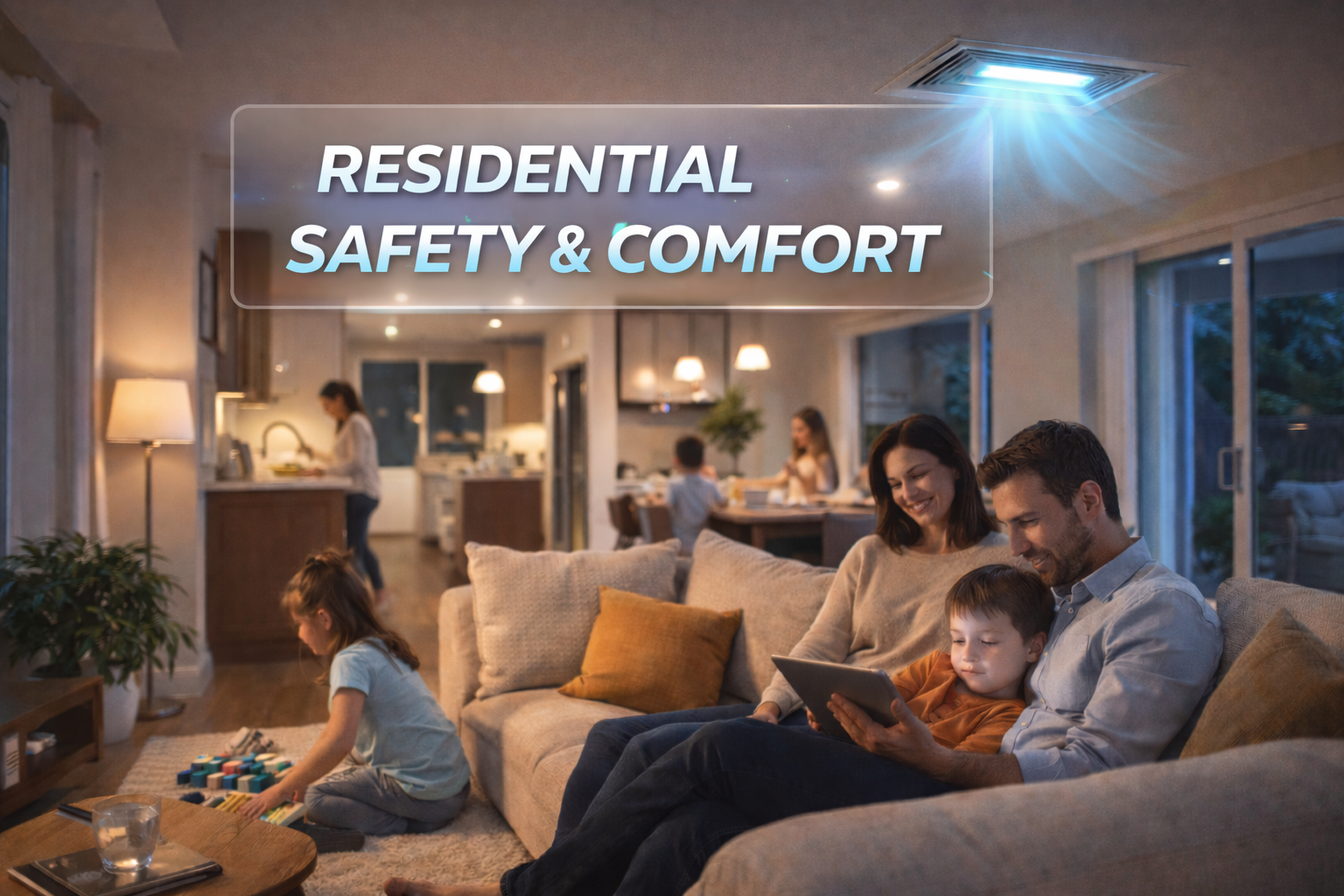
RESIDENTIAL SAFETY & COMFORT
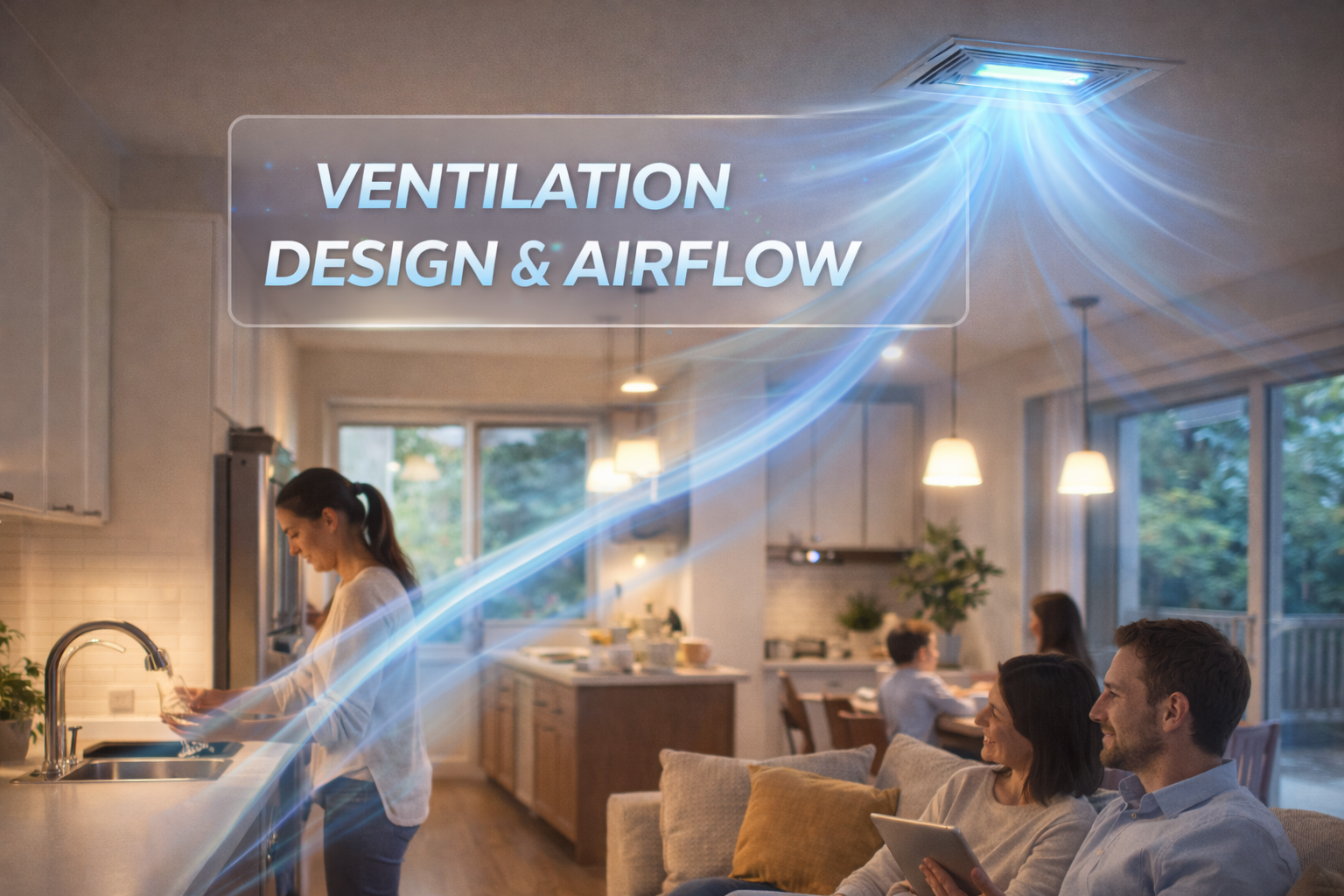
VENTILLATION DESIGN AND AIRFLOW
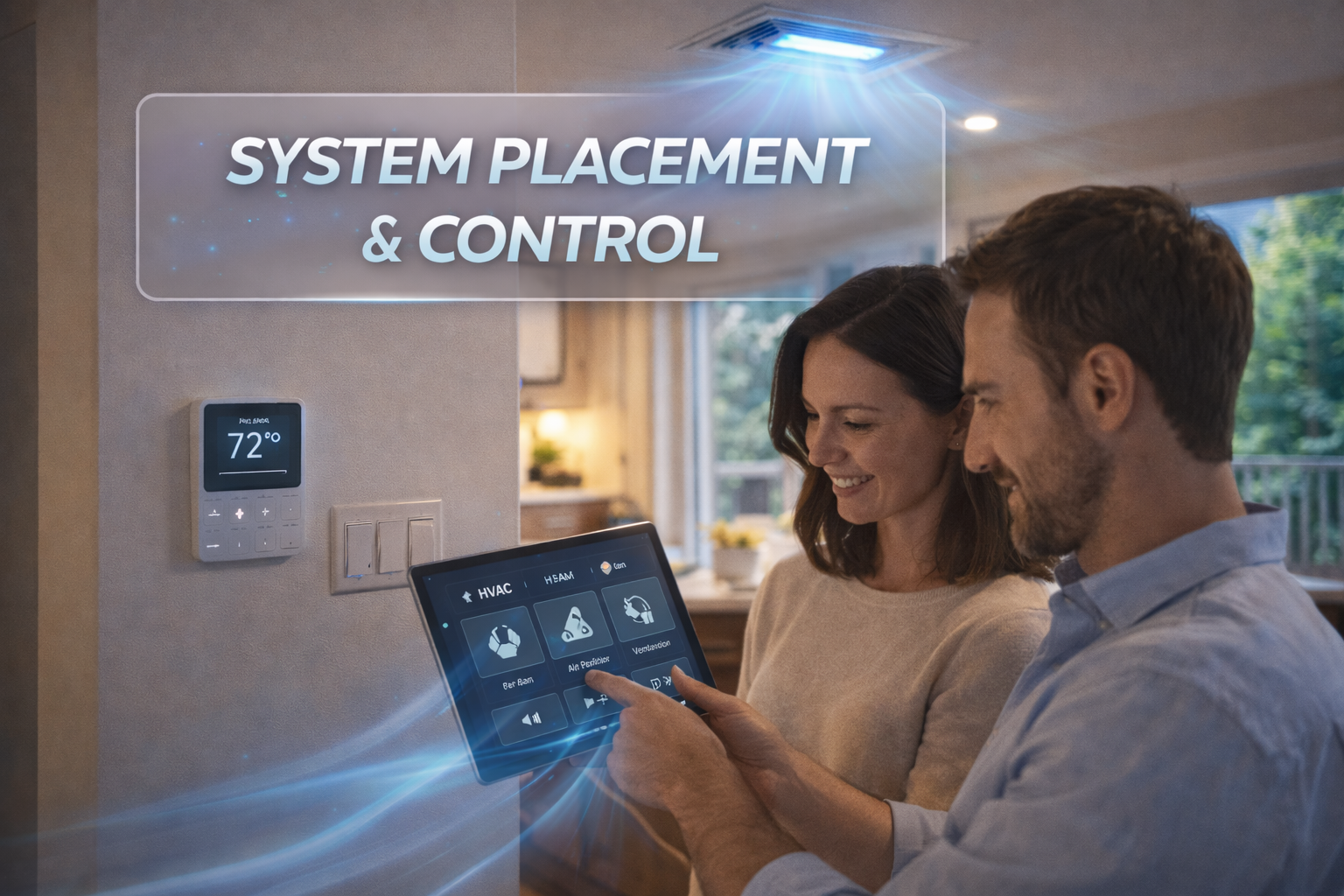
SYSTEM PLACEMENT & CONTROL
CLEAR SAFETY BOUNDARIES

Understanding these conditions is essential before evaluating whether UVC is appropriate for a residential environment.

WHERE UVC MAY BE CONSIDERED
Ā 

Where UVC May Be Considered

In homes and residential buildings, UVC technologies are generally considered only in indirect and carefully controlled contexts.

Potential applications may include:

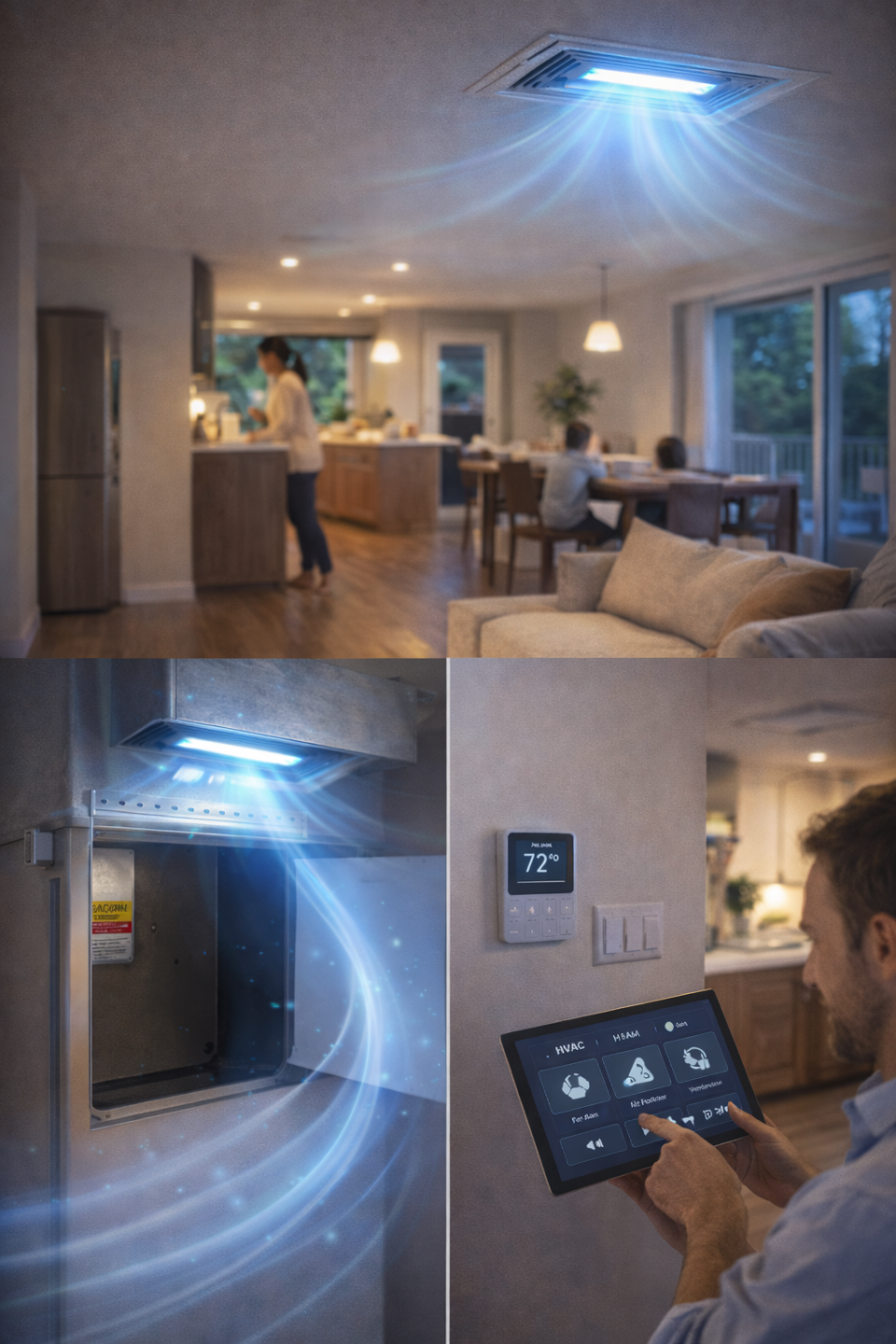
  • HVAC or air-handling system components

  • controlled treatment cycles during unoccupied periods

  • sealed or enclosed UVC systems designed to prevent direct exposure

  • supplementary strategies that support indoor air quality

Direct human exposure is avoided in residential environments. Safety considerations must always take priority over convenience or novelty.

Safety Above All

Residential environments require the highest level of caution and responsibility. Unlike controlled institutional settings, homes involve continuous occupancy and close proximity between occupants and household systems.

UVC Today Institute emphasizes that improper or poorly managed UVC use in residential spaces can introduce unnecessary risk. Any system considered for home environments must be carefully selected, correctly installed, and operated in accordance with recognized safety guidance. Occupants should clearly understand how the system functions, when it operates, and the safeguards in place.

If safe operation cannot be confidently ensured, UVC should not be used in the residential environment.

SAFETY ABOVE ALL

Supporting Informed Home Decisions

UVC Today Institute supports homeowners, residential property managers, and housing developers by providing clear, standards-aware guidance on when UVC technologies may be appropriate—and when they may not be.

The Institute’s role is to support careful evaluation and responsible decision-making. The goal is not to encourage unnecessary installation, but to help ensure that any consideration of UVC in residential environments is grounded in safety, context, and realistic needs.

Residential Buildings & Multi-Unit Housing

In multi-unit residential buildings, environmental systems often extend beyond individual living spaces. Shared ventilation, corridors, amenities, and building infrastructure introduce additional considerations for safety and system management.

Any evaluation of UVC in these settings must account for both individual occupant protection and the responsibilities associated with shared building systems. Decisions typically involve coordination between property management, building engineers, and safety guidance to ensure that any application remains controlled, appropriate, and aligned with the realities of multi-resident environments.

UVC Today — Residential
Applied cautiously.
Guided by safety and responsibility.