Hospitality & Rentals

Supporting Cleaner, More Trusted Guest Environments

Hotels, short-term rentals, and hospitality properties rely on trust, comfort, and consistency. Guests expect clean, well-maintained environments while remaining largely unaware of the operational processes that support those standards behind the scenes.

In these settings, UVC technologies may be considered as part of broader hygiene and facility management strategies. Applications are typically designed to operate discreetly and responsibly, aligning with daily operations while supporting environmental cleanliness without disrupting the guest experience.
THE REALITY OF HOSPITALITY SPACES

The Reality of Hospitality Spaces

Hospitality environments operate with constant guest turnover. Rooms, shared amenities, and common areas are used by different occupants in close succession, creating operational conditions that differ from most other environments.

These dynamics introduce specific considerations related to air quality, surface hygiene, and the timing of facility operations. Any UVC application in hospitality settings must work within established cleaning workflows, occupancy cycles, and existing building infrastructure.

The objective is to provide supportive environmental measures that align with daily operations — enhancing hygiene practices without disrupting guest experience or staff routines.
Where UVC Is Applied

In hospitality and rental environments, UVC technologies are generally implemented as background systems or operated during off-hour periods when spaces are unoccupied.

Applications may support:Ā 

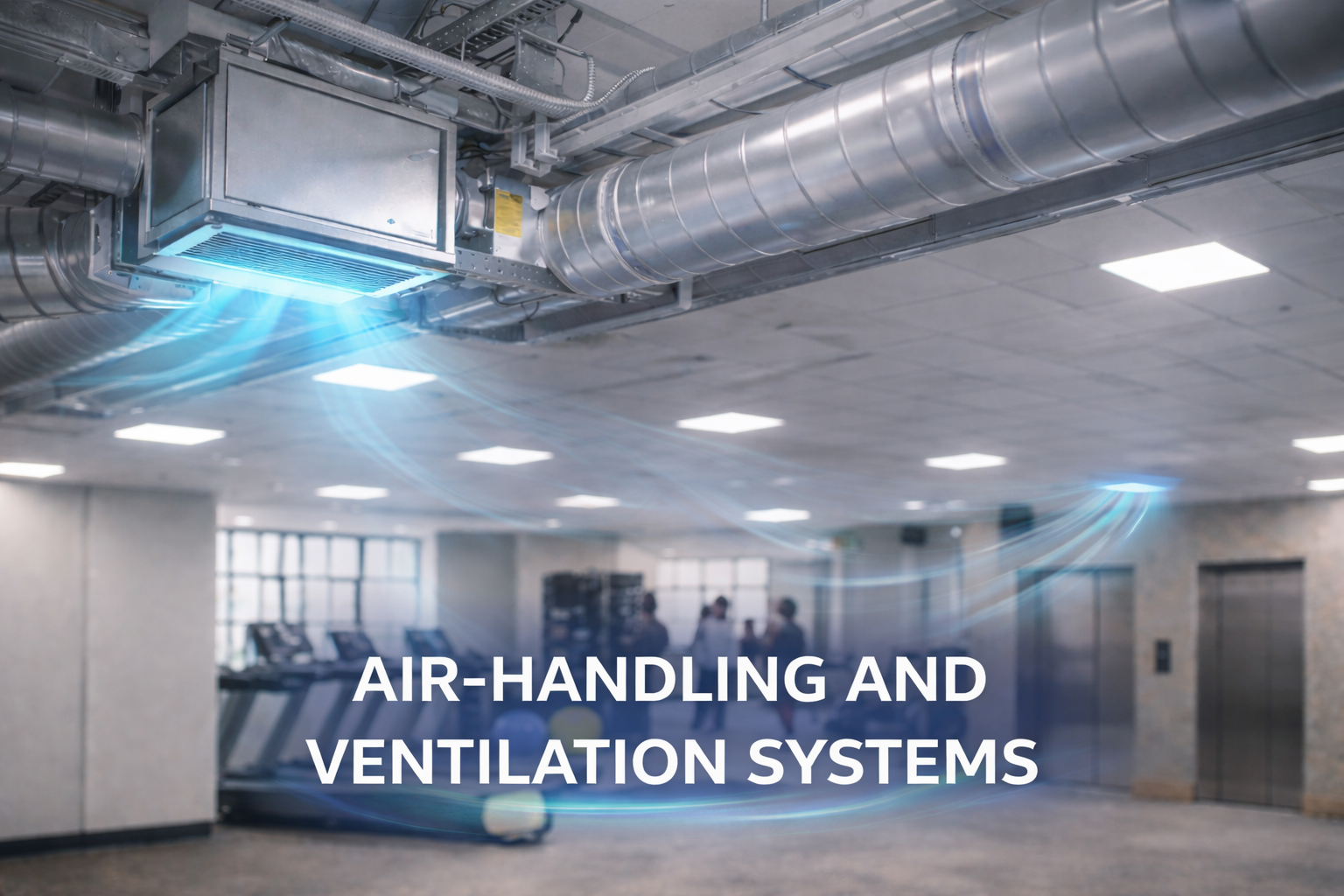
AIR-HANDLING AND VENTILLATION SYSTEMS
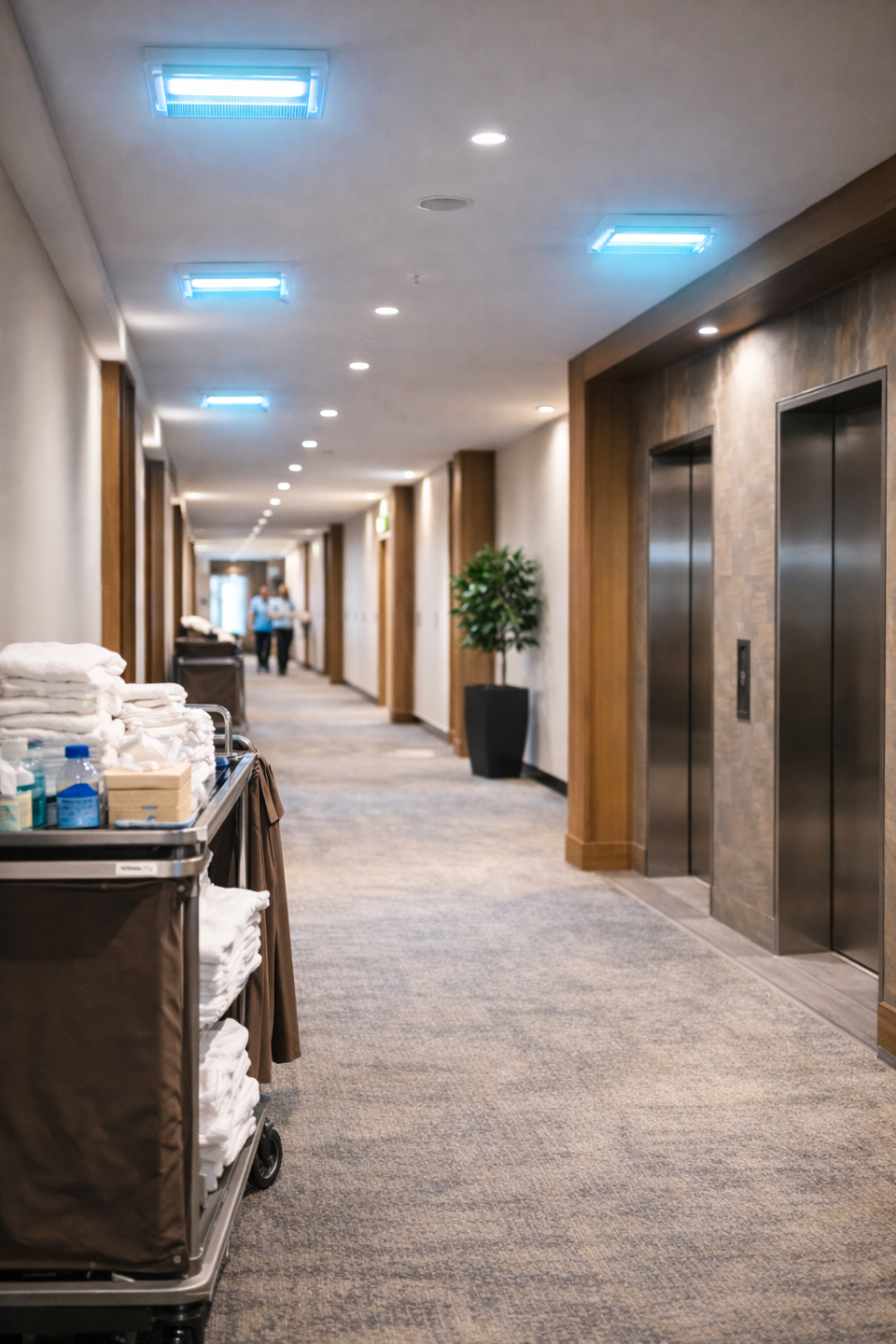
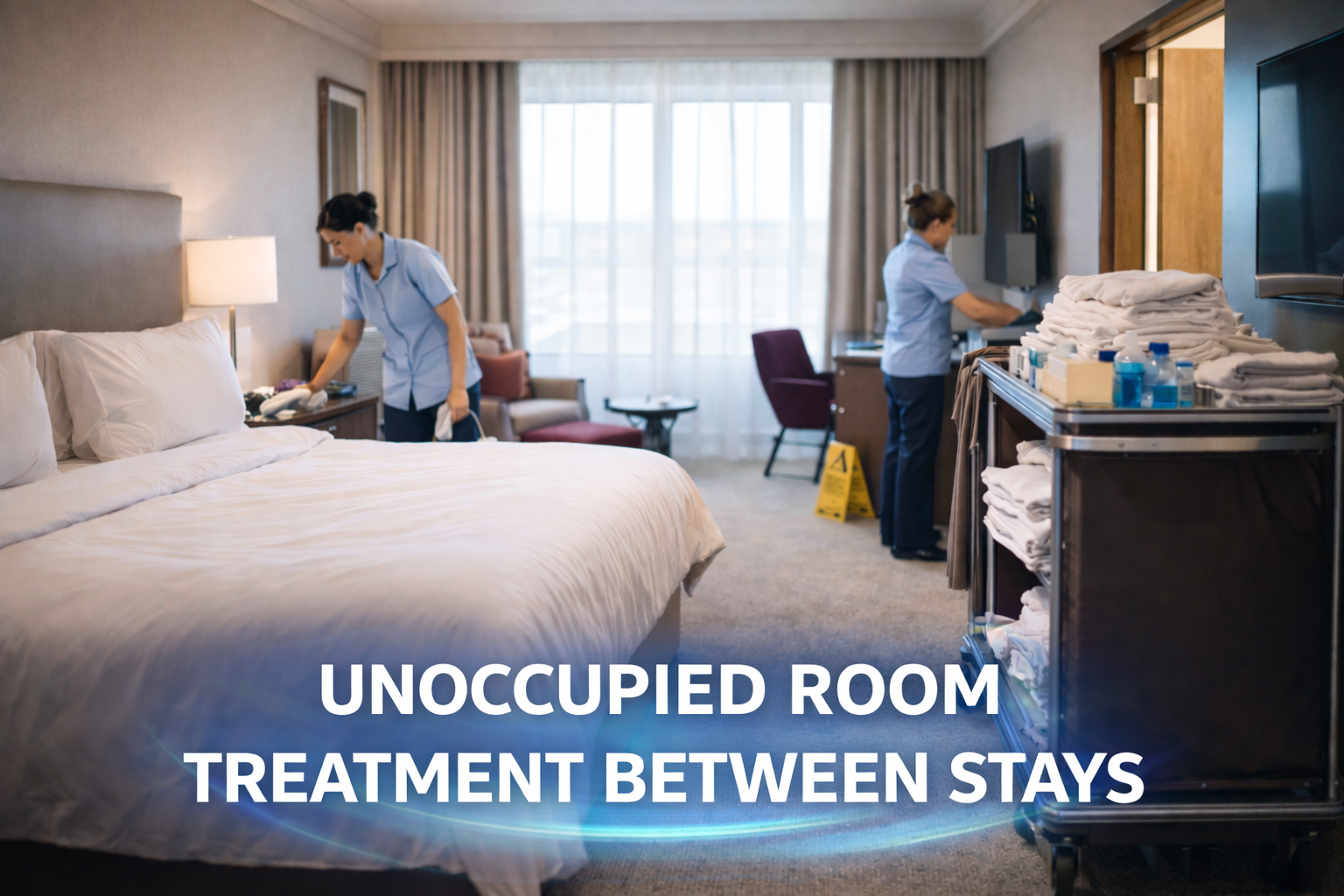
UNOCCUPIED ROOM TREATMENT BETWEEN STAYS
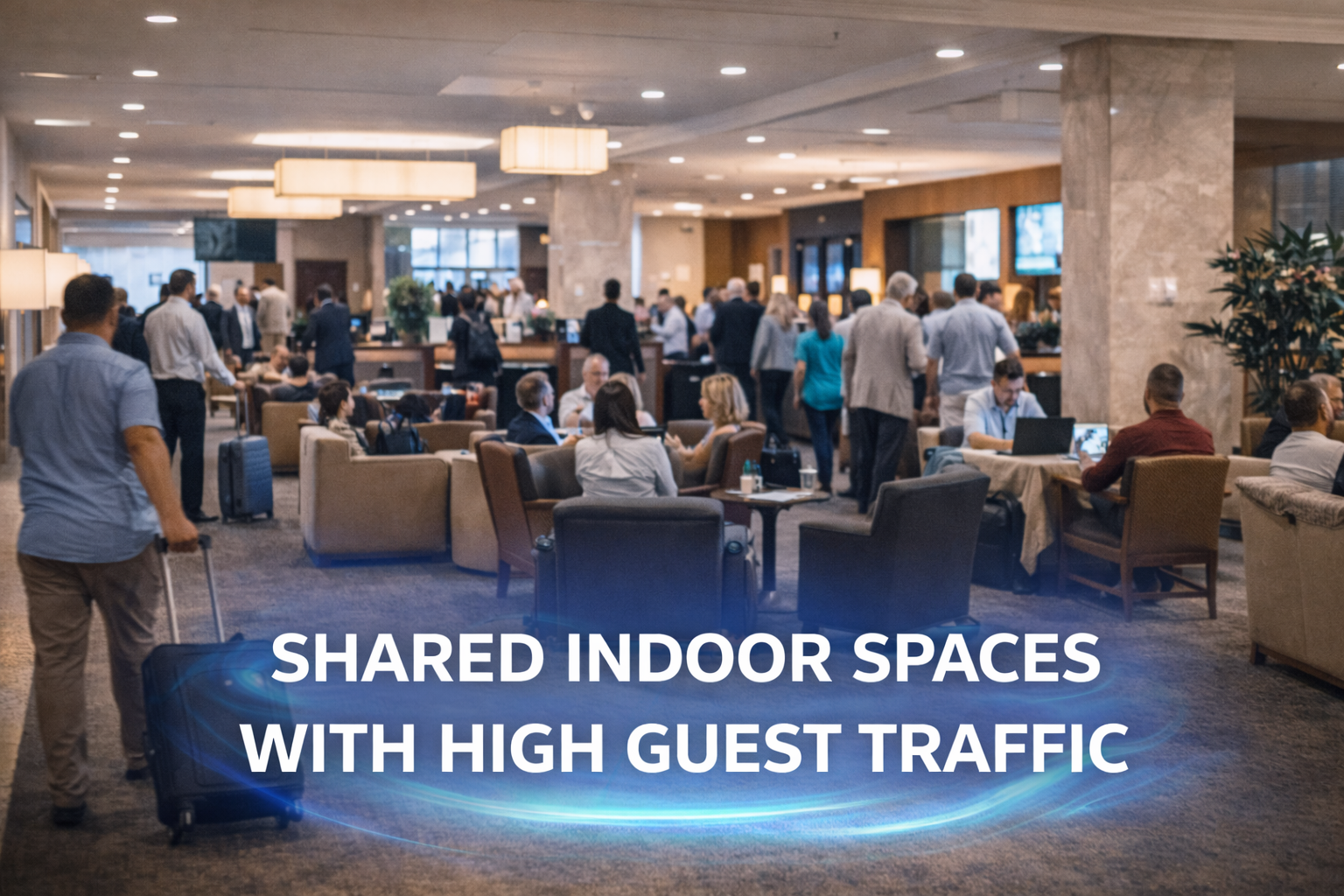
SHARED INDOOR SPCAES WITH HIGH GUEST TRAFFIC
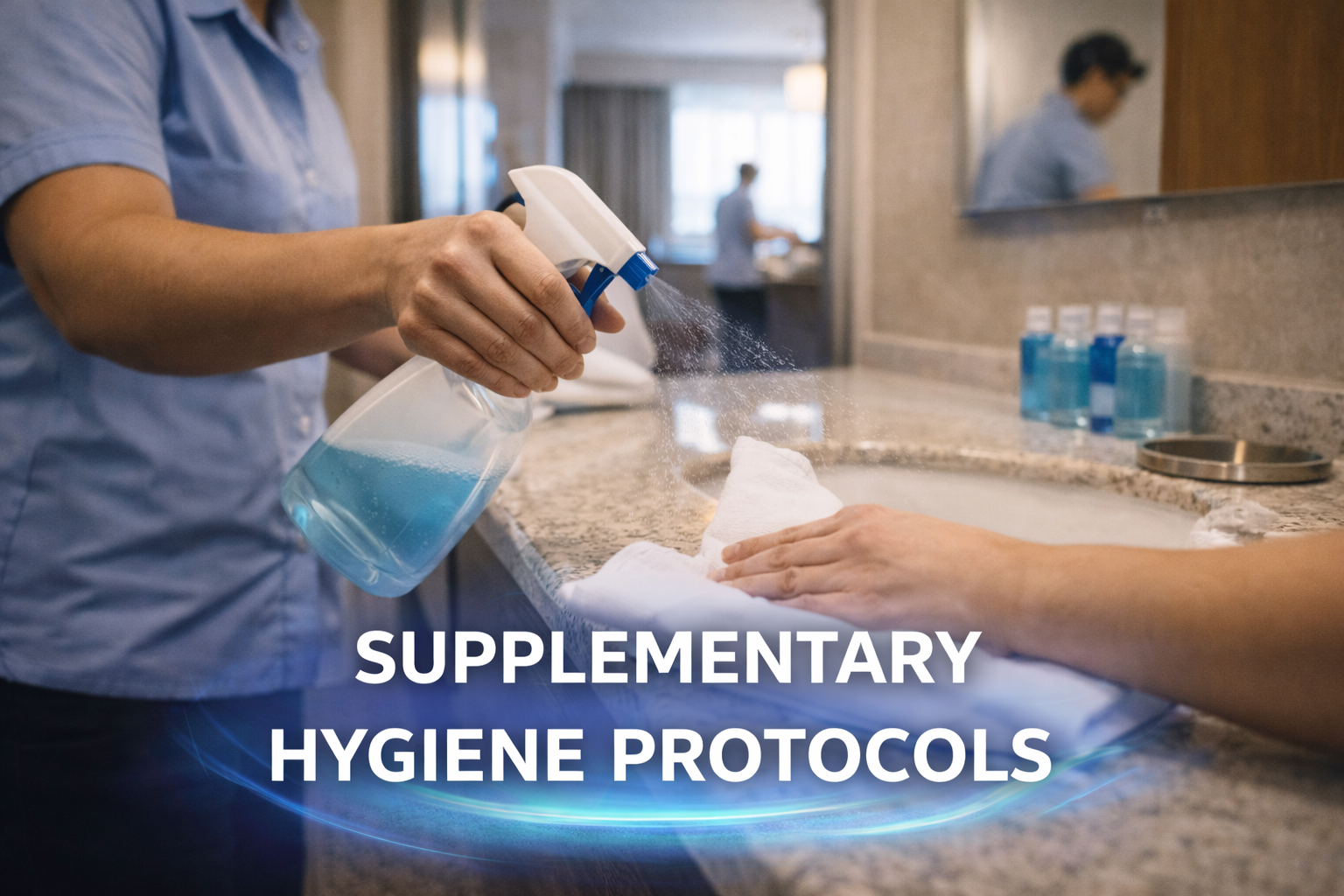
SUPPLEMENTARY HYGIENE PROTOCOLS

In each case, deployment is designed to align with operational schedules and safety controls, ensuring that any use remains unobtrusive to guests and compatible with normal hospitality operations.

Discretion & Guest Experience

UVC systems are not intended to be a visible element of the guest experience. In hospitality environments, technological measures should remain largely unseen, operating in the background while supporting overall environmental quality.

Effective integration prioritizes discretion—ensuring that hygiene-support systems do not interfere with comfort, aesthetics, or normal guest routines. When implemented responsibly, these systems complement existing operations without drawing attention to themselves.

Clean, well-maintained spaces should feel natural and welcoming, not technical or intrusive.

Safety & Operational Responsibility

Guest safety and staff safety remain fundamental priorities in hospitality environments. Any technology introduced into these spaces must operate within clearly defined safeguards that protect occupants and support daily operations.

UVC Today Institute emphasizes system designs that align with occupancy patterns, operational workflows, and recognized safety standards. Proper training and operational awareness help ensure that staff understand how systems function, when they operate, and how they should be managed safely.

Responsible use protects both the people within these spaces and the long-term trust that hospitality environments depend on.

Supporting Operators & Owners

UVC Today Institute supports hotel operators, property managers, and rental owners by providing structured information that helps them evaluate whether UVC technologies are appropriate for their environments and how they may be implemented responsibly when suitable.

The Institute’s role is to offer context, standards awareness, and practical considerations that support informed decision-making. The emphasis remains on careful evaluation and responsible application rather than one-size-fits-all solutions.

SUPPORTING OPERATORS & OWNERS

UVC Today — Hospitality & Rentals
Behind the scenes protection.
Designed for trust and comfort.