Food & Agriculture

Supporting Food Safety Through Controlled Application

Food and agricultural environments rely on strict hygiene standards to protect both consumers and supply chains. From production and processing to storage and distribution, maintaining clean conditions is essential for food safety, product quality, and regulatory compliance.

In these environments, UVC technologies may be considered as part of controlled sanitation strategies. Applications are approached with caution and precision, ensuring alignment with established food-safety practices, operational workflows, and regulatory expectations.

THE FOOD & AGRICULTURE CONTEXT

The Food & Agriculture Context

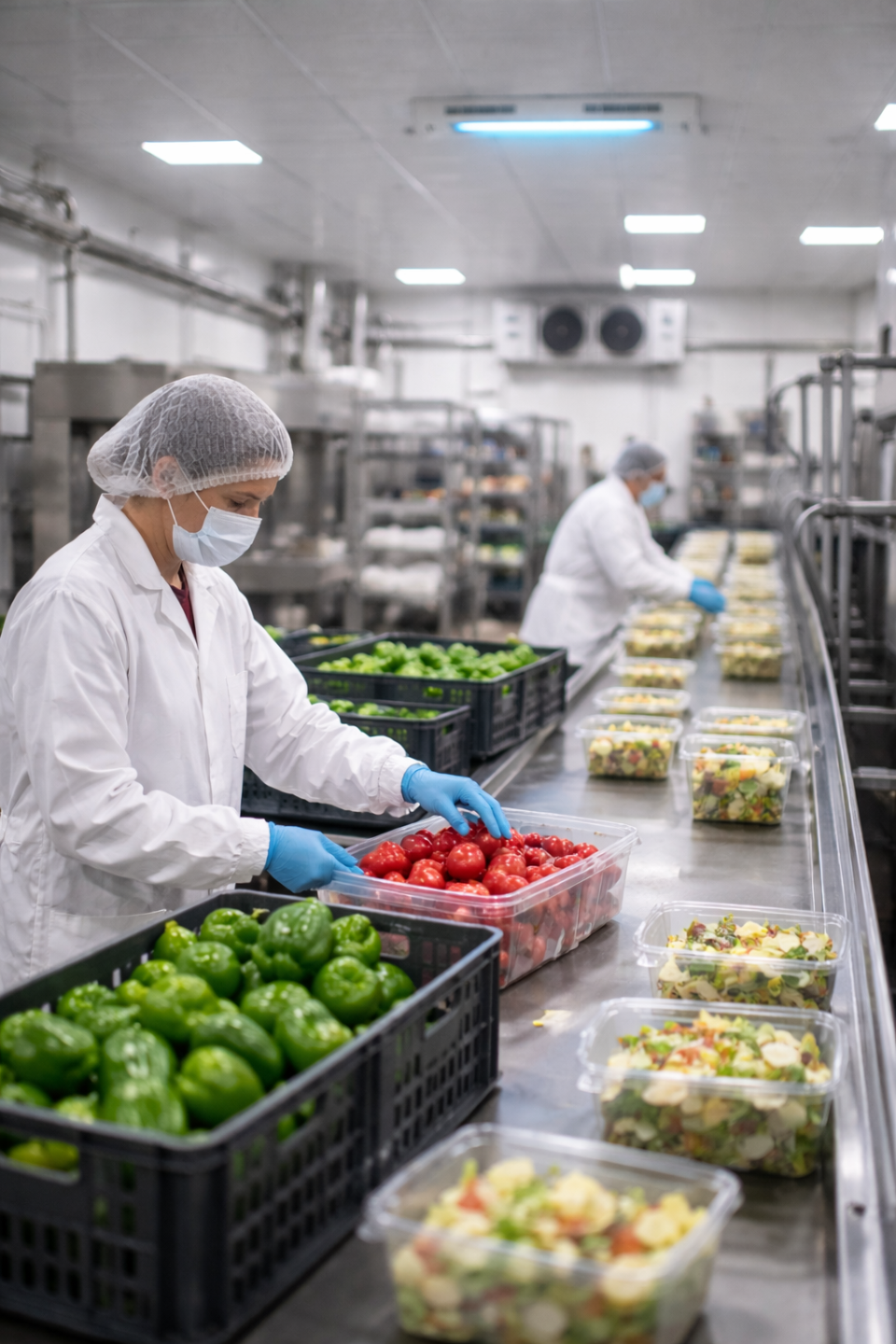
Food and agricultural systems operate within tightly controlled environments where product safety, process integrity, and regulatory compliance are essential. Conditions vary widely—from farms and greenhouses to processing plants, cold storage facilities, and distribution centers—each presenting different operational demands.

Because of this complexity, any consideration of UVC technology must be evaluated carefully against:

  • operational workflows and production schedules

  • exposure sensitivity of both products and personnel

  • existing hygiene and sanitation protocols

  • regulatory requirements and compliance obligations

In food systems, assumptions cannot replace careful evaluation. Every application must align with safety standards, operational realities, and the integrity of the food supply chain.
Where UVC Is Applied

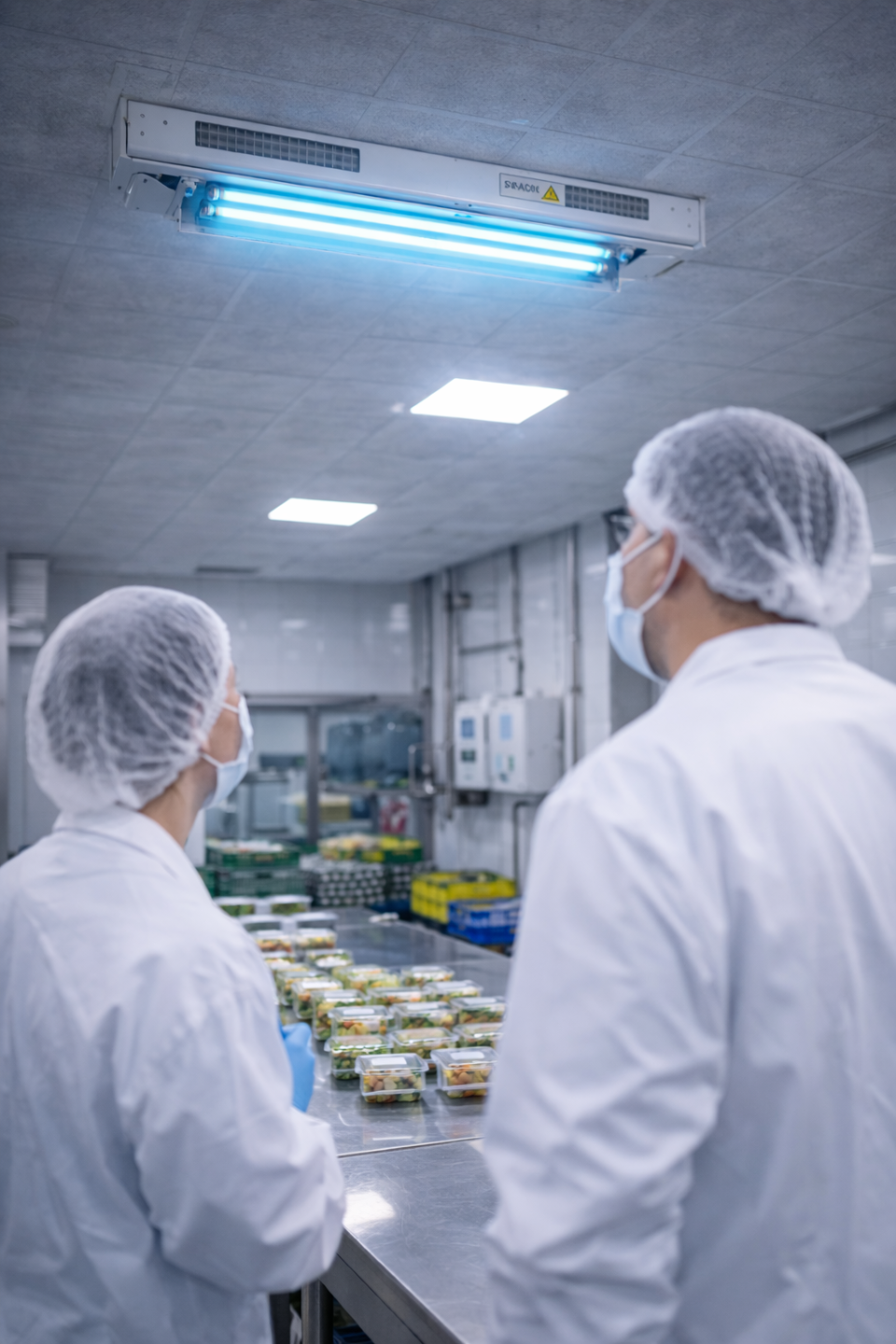
In food and agricultural environments, UVC technologies are typically used in controlled and indirect contexts. Rather than replacing established sanitation methods, they are considered as supportive measures within broader food-safety systems.

Applications may support:

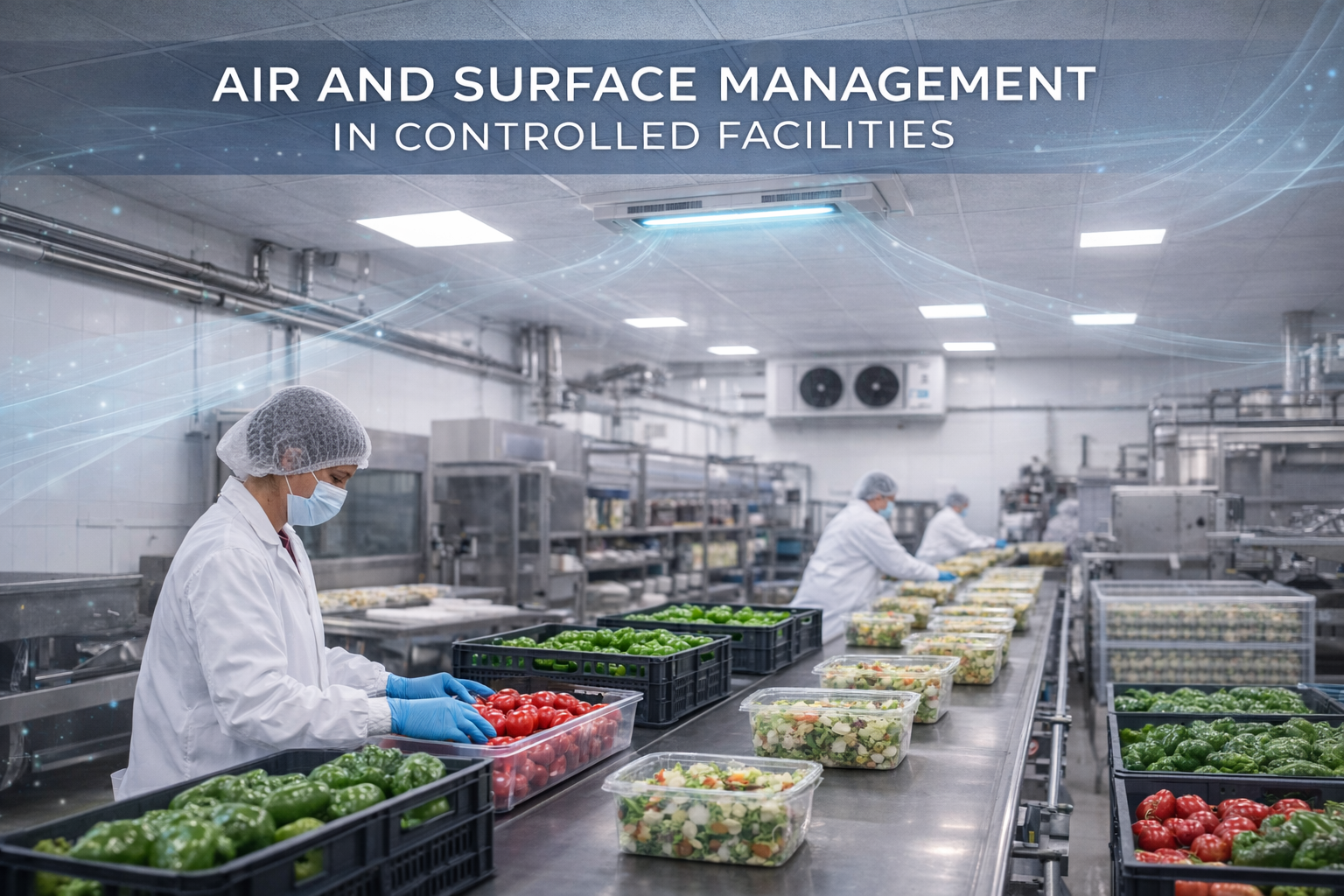
AIR AND SURFACE MANAGEMENT
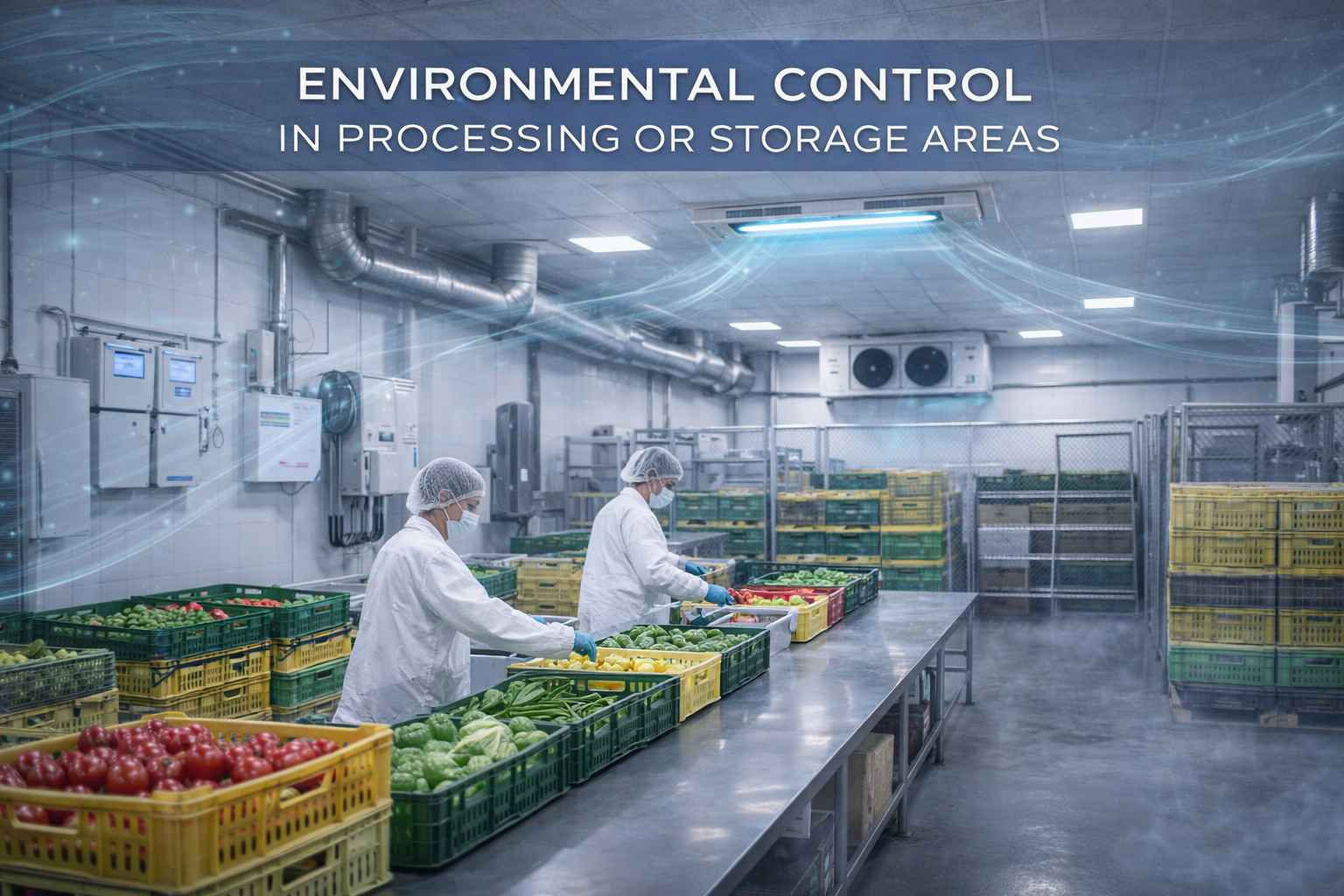
ENVIRONMENT CONTROL
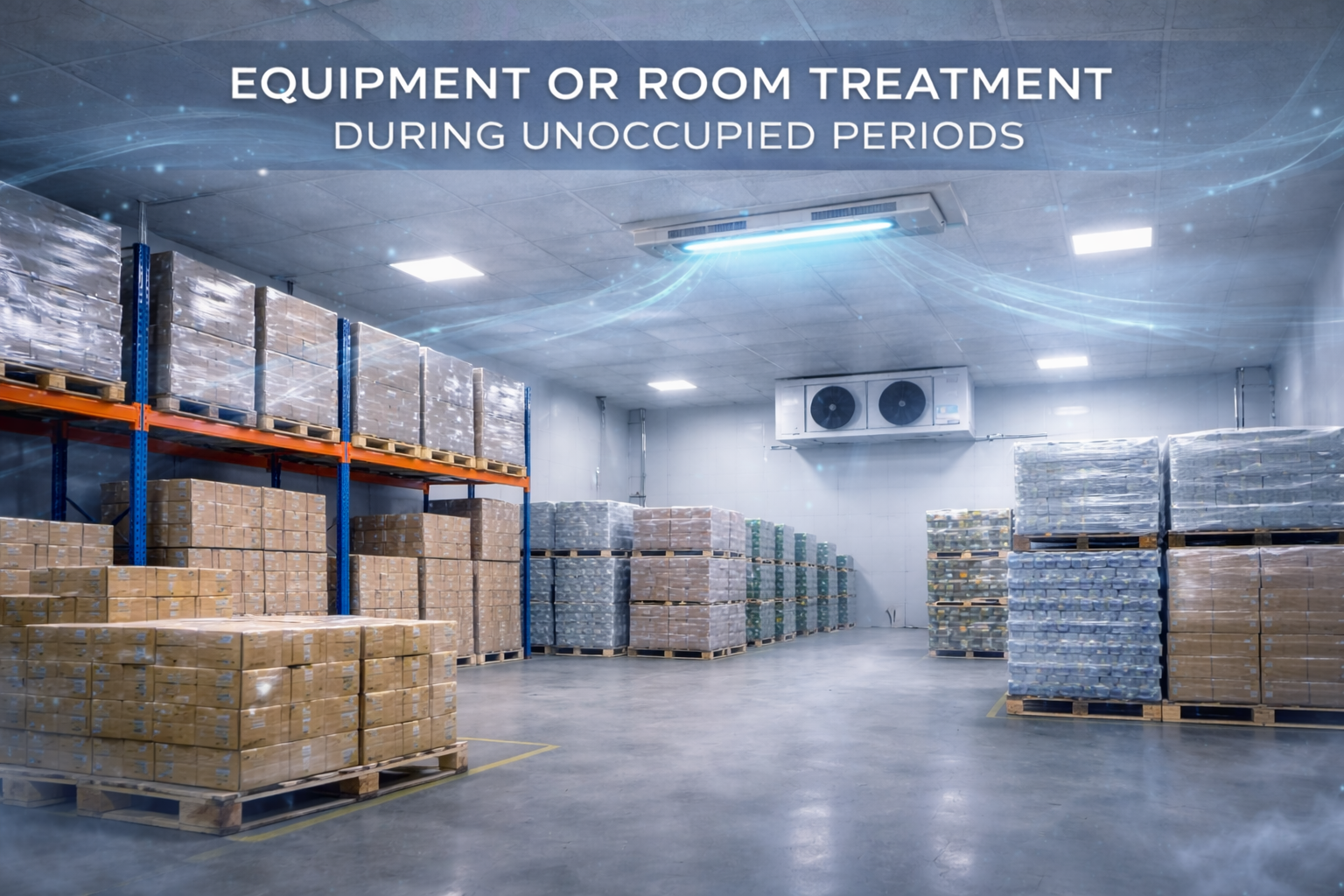
EQUIPMENT OR ROOM TREATMENT
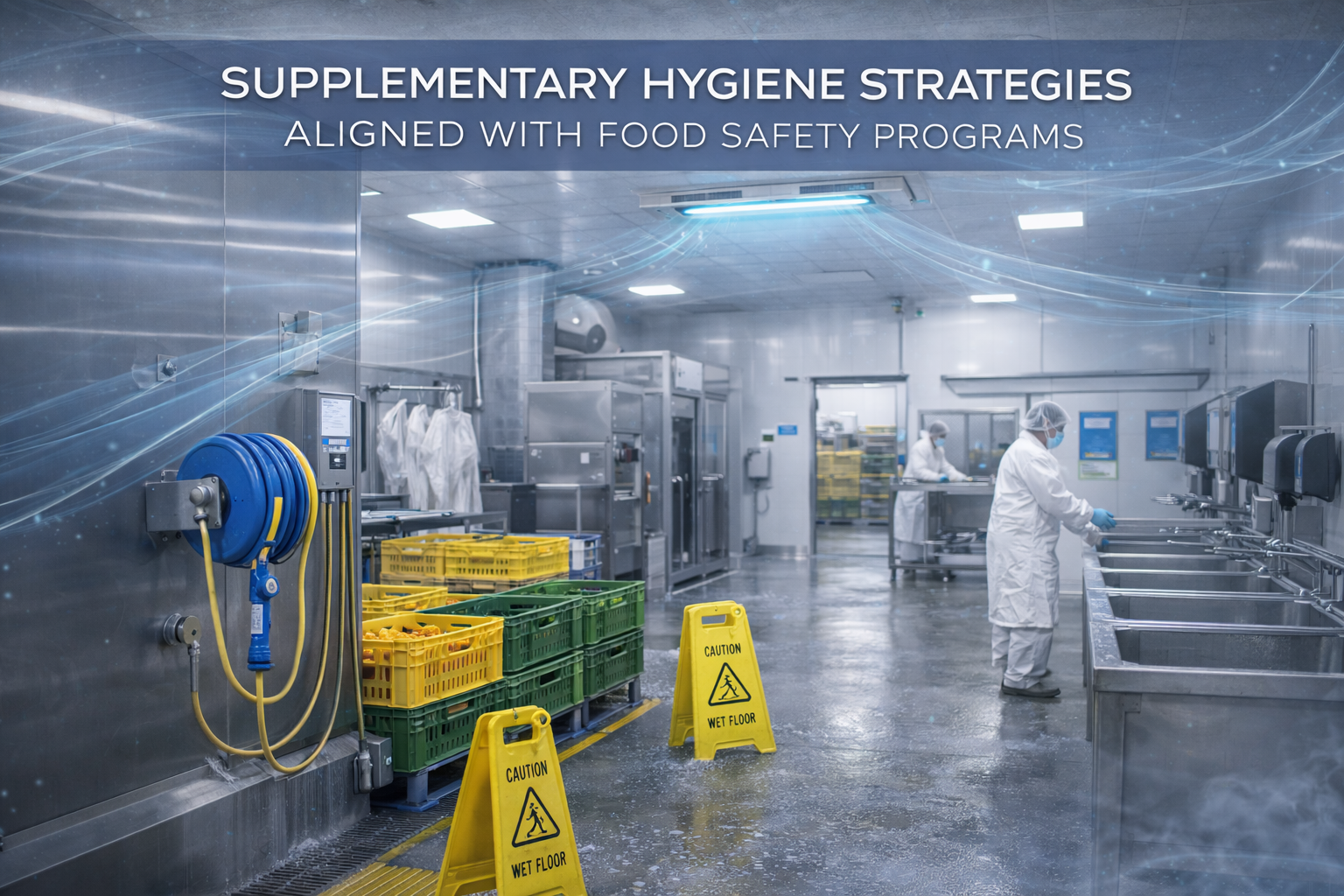
SUPPLEMENTARY HYGIENE STRATEGIES

In all cases, implementation must align with food-safety protocols, operational workflows, and regulatory guidance governing agricultural and food-processing environments.

Safety, Quality & Compliance

Food safety and product quality are non-negotiable priorities in agricultural and food-processing environments. Any technology introduced into these systems must operate within strict safety, hygiene, and regulatory frameworks.

UVC Today Institute emphasizes application models that respect:

  • product integrity and quality preservation

  • worker safety and controlled exposure conditions

  • established sanitation and hygiene protocols

  • applicable regulatory and compliance requirements

UVC technologies must function as supportive tools within existing food-safety systems—not as replacements for them. Responsible implementation ensures that safety, quality, and compliance remain fully protected.

SAFETY, QUALITY & COMPLIANCE

Supporting Operators & Producers

UVC Today Institute supports farmers, producers, processors, and facility operators by providing structured information that helps them evaluate whether UVC technologies are appropriate for their specific environments and operational processes.

The Institute focuses on helping decision-makers understand where UVC may contribute to existing sanitation strategies and how it can be applied responsibly within established safety and regulatory frameworks. The emphasis remains on careful evaluation and risk reduction—never on shortcuts or unverified solutions.

Responsible Use Above All

In food and agricultural environments, responsible use is essential to maintaining credibility, safety, and public trust. Technologies introduced into these systems must support — not compromise — established standards for food protection and quality.

UVC is therefore considered as one component within a broader safety and sanitation strategy. It is used to complement existing practices and controls, never to replace the established procedures that safeguard food systems and supply chains.

UVC Today — Food & Agriculture
Applied with care.
Guided by safety, quality, and responsibility.