Commercial Buildings

Supporting Healthier, Better-Managed Indoor Spaces

Commercial buildings host diverse activities throughout the day. Offices, mixed-use developments, retail environments, and corporate facilities rely on shared infrastructure, including ventilation systems and environmental controls, to maintain stable indoor conditions.

In these settings, UVC technologies may be considered as part of broader building management strategies. Applications typically focus on supporting indoor air quality and environmental hygiene while aligning with operational continuity, tenant comfort, and established safety practices.
THE COMMERCIAL BUILDING CONTEXT

THE COMMERCIAL BUILDING CONTEXT

Unlike single-use spaces, commercial buildings host diverse activities, schedules, and occupancy levels throughout the day.

These environments require solutions that consider:

  • centralized HVAC and air circulation systems

  • fluctuating occupancy patterns

  • long operating hours

  • minimal disruption to tenants and staff

UVC applications must integrate smoothly into this complexity.

Where UVC Fits in Commercial Spaces

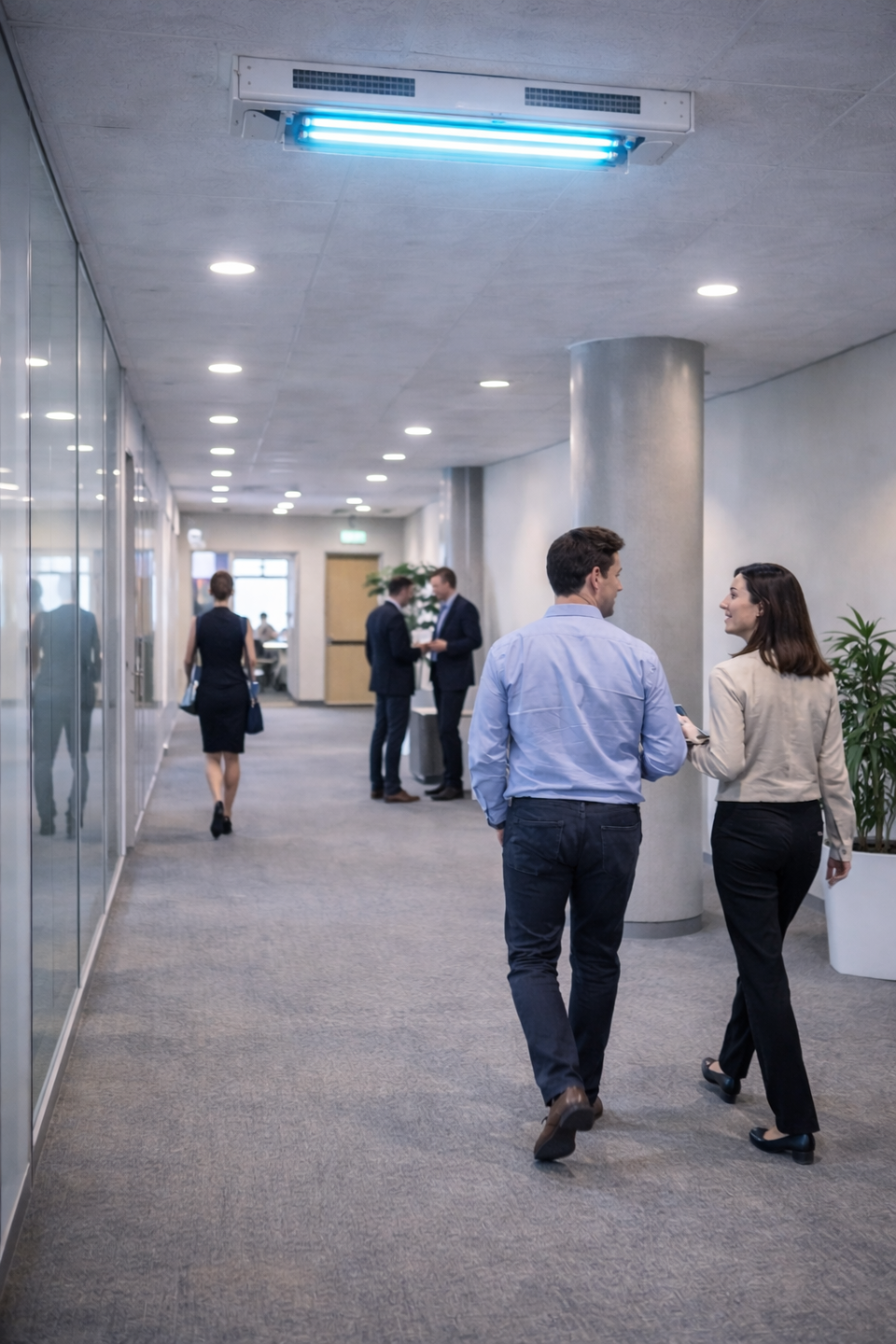
In commercial buildings, UVC technologies are most often integrated within building infrastructure rather than deployed in visible occupant areas.

Typical applications focus on supporting:


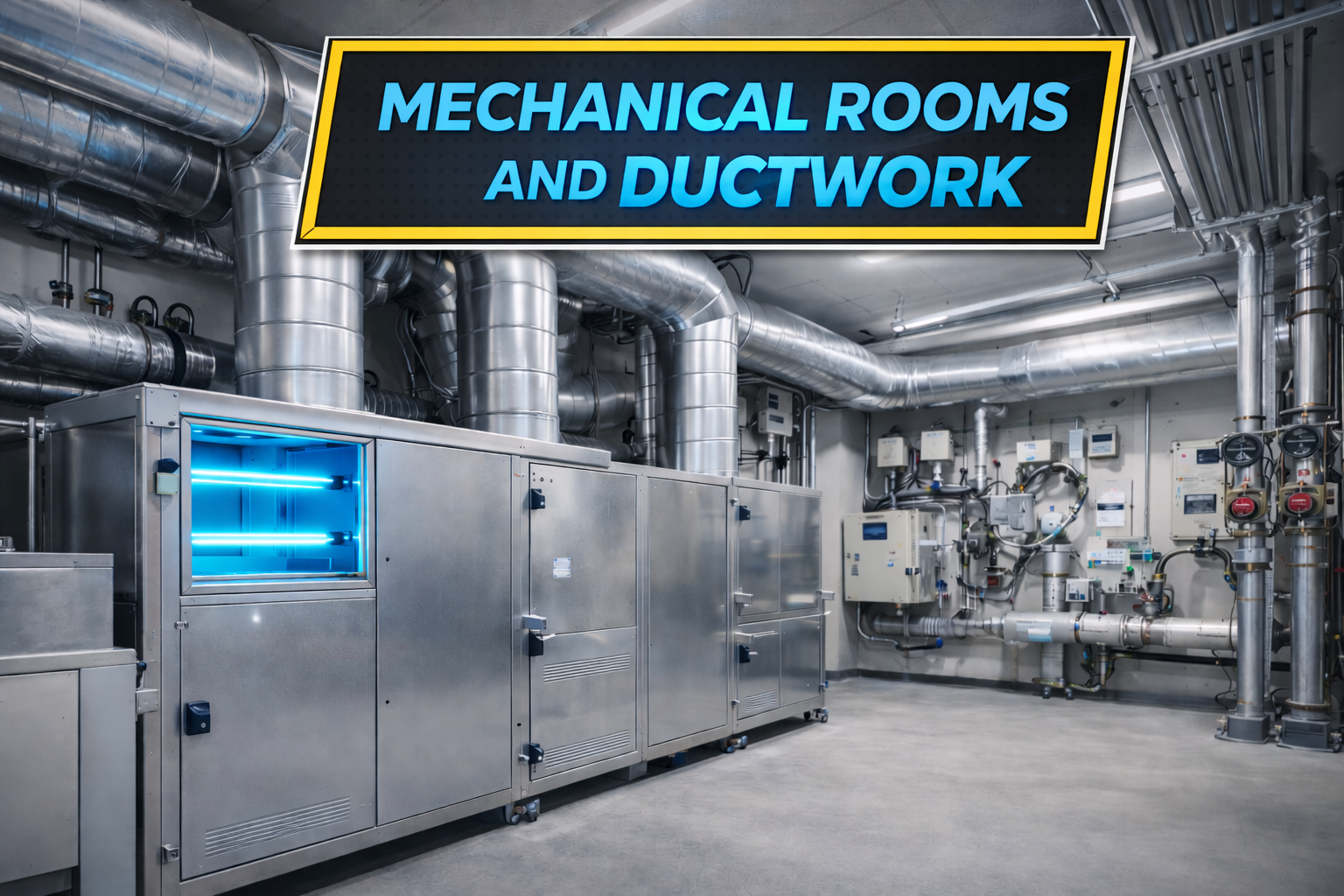
MECHANICAL ROOMS AND DUCTWORK
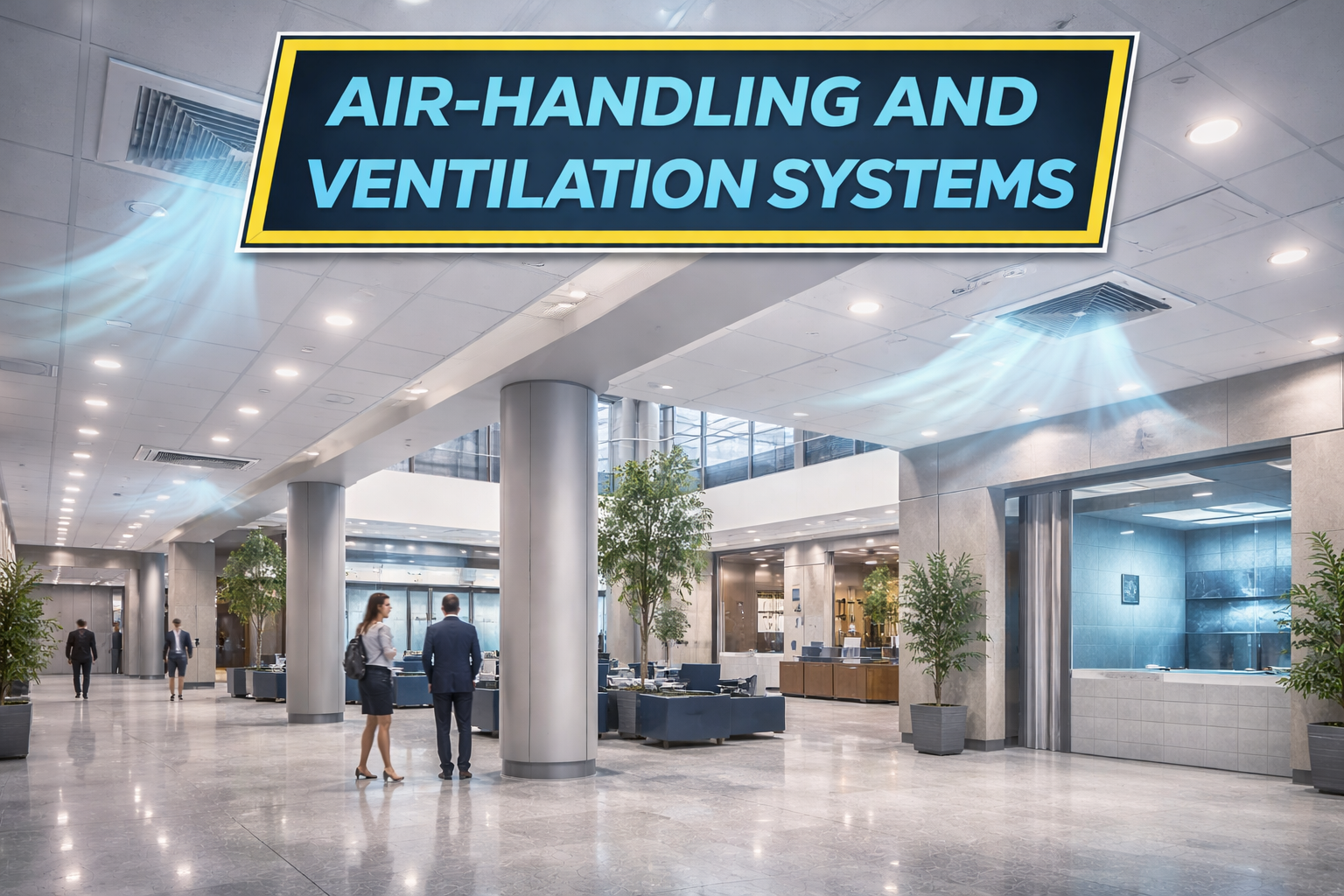
AIR-HANDLING AND VENTILLATION SYSTEMS
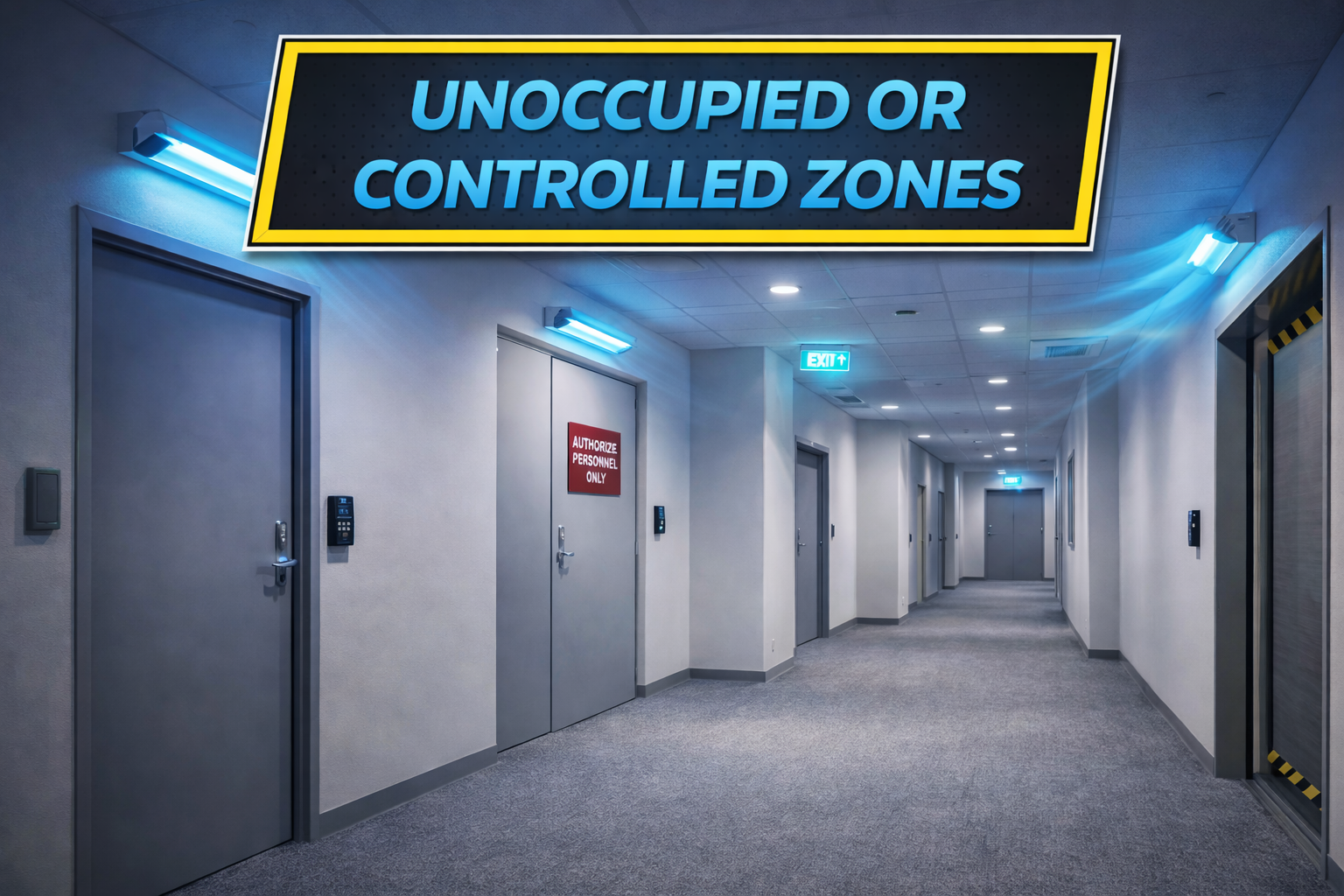
UNOCCUPIED OR CONTROL ZONES
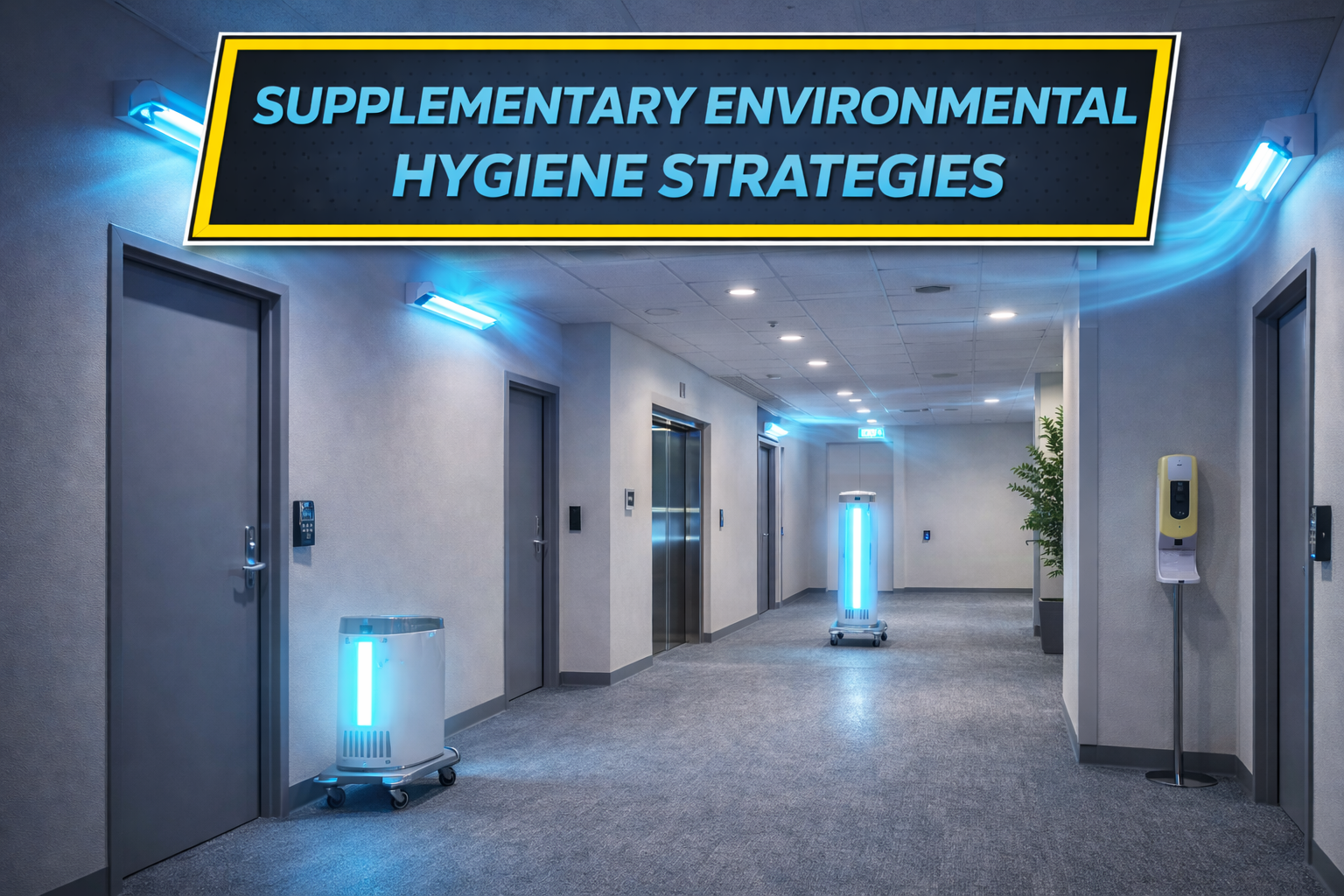
SUPPLEMENTARY ENVIRONMENTAL HYGIENE STRATEGIES

By working within these systems, UVC can support indoor environmental quality while remaining unobtrusive to tenants, employees, and daily building activity.

Occupant Safety & Comfort

Commercial buildings are continuously occupied environments where safety, comfort, and productivity must remain protected at all times.

UVC Today Institute emphasizes application models that prevent direct exposure and operate within clearly defined safety thresholds. Systems are evaluated not only for effectiveness, but also for their ability to function without disrupting normal building activity.

Protective measures in these environments should support the conditions for work — not interfere with them.

OCCUPANT SAFETY & COMFORT

Supporting Facility Operations

For building owners and facility managers, operational reliability and predictability are essential. Environmental systems must function consistently without introducing unnecessary complexity or risk.

When evaluated and implemented responsibly, UVC technologies can support broader building-management strategies by contributing to cleaner indoor conditions while remaining aligned with existing infrastructure and operational practices.

Decisions around UVC use are guided by building design, system capabilities, occupancy patterns, and the practical realities of day-to-day facility management.